Roku TCL Class Action Lawsuit Claims, Affected TVs
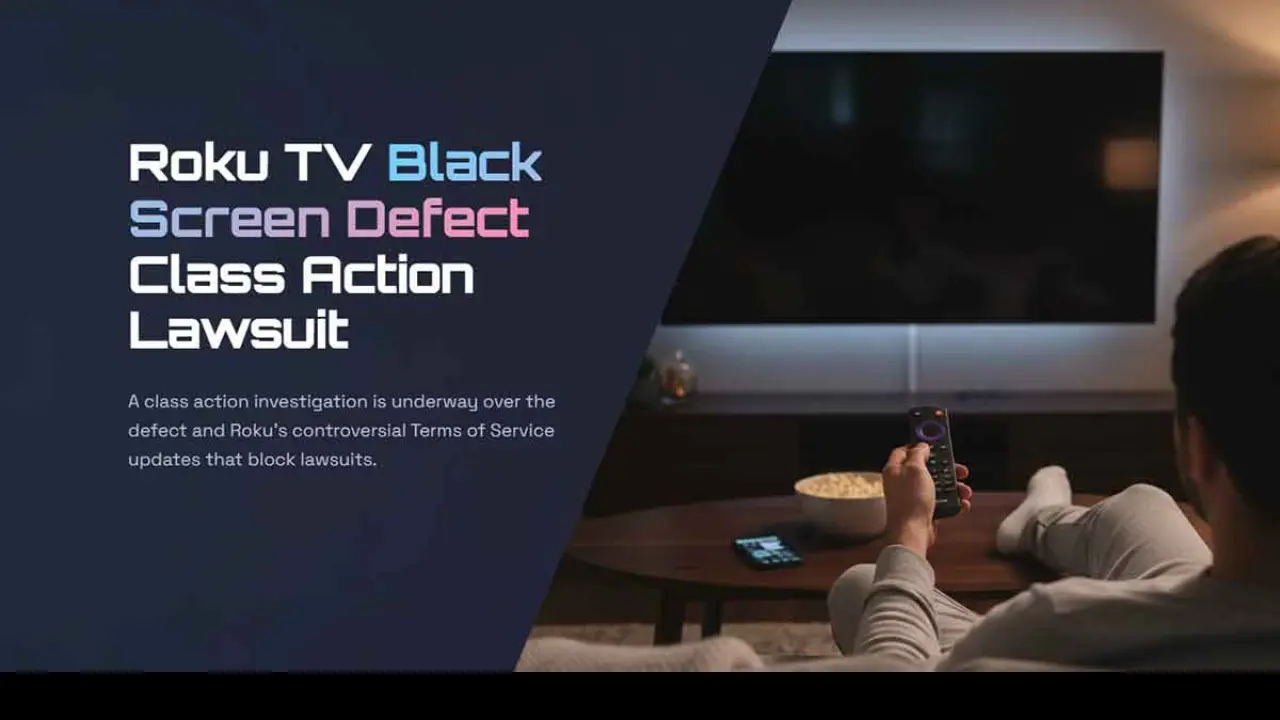
The roku tcl class action lawsuit has gained attention from smart TV owners after allegations that software updates caused serious problems with certain Roku-powered televisions. The proposed case claims that some updates made TVs freeze, restart repeatedly, lose video, show black screens, or stop working completely. The allegations have not yet been proven in court, and Roku has disputed the claims.
The case is known as Else v. Roku, Inc. et al. and was filed on March 27, 2026, in the U.S. District Court for the Central District of California. The defendants named in the case include Roku, Inc. and TTE Technology, Inc., which does business as TCL North America.
What Is the Roku TCL Class Action Lawsuit?
The roku tcl class action lawsuit is a proposed consumer class action involving Roku software and televisions made by Roku and TCL. Plaintiff Terri Else alleges that Roku repeatedly released defective operating-system updates that damaged the performance of some smart TVs.
According to the complaint, owners bought the televisions expecting them to remain functional through normal software updates. Instead, the lawsuit claims certain updates could seriously reduce performance or leave the television unusable.
It is important to remember that a filed complaint presents allegations from the plaintiff. Filing a lawsuit does not mean a court has decided that Roku or TCL violated the law.
The Suboxone Lawsuit: What You Need to Know About Legal Claims and Implications
Why Was the Lawsuit Filed?
The lawsuit centers on claims about defective Roku OS updates. Software updates normally improve security, fix bugs, add features, and maintain compatibility with streaming services.
However, the plaintiff argues that some Roku updates had the opposite effect. The complaint alleges that Roku failed to make sure its updates worked properly before releasing them across large numbers of devices.
The case also claims that the companies failed to provide an adequate solution after consumers reported problems. Some users were allegedly directed toward standard troubleshooting steps even when those steps did not restore their televisions.
Problems Alleged by TV Owners
The roku tcl class action lawsuit describes several types of television problems that the plaintiff connects with Roku software updates. These issues can interfere with the basic purpose of a television: displaying reliable video and audio.
Reported or alleged symptoms include black screens, flashing displays, repeated restarting, freezing, startup failures, and loss of picture. Some televisions allegedly continued producing sound while the screen stopped displaying video.
The complaint uses the term “brick” to describe a device that becomes effectively unusable after a software problem. A bricked television may fail to boot correctly or may stop providing the basic features that its owner purchased it to use.
Blingle Lawsuit: Legal Battle Impacting Franchise Growth
Which Roku and TCL TVs May Be Affected?
The proposed class described in the complaint includes consumers who purchased certain Roku and TCL televisions in the United States from December 16, 2024 onward. The filing specifically identifies Roku Select Series, Roku Plus Series, and TCL 3, 4, 5, and 6-Series Roku TVs, while indicating the list may not be limited to those products.
| TV Product | Mentioned in Lawsuit Coverage | Main Alleged Concern |
|---|---|---|
| Roku Select Series | Yes | Software-related performance failure |
| Roku Plus Series | Yes | Update-related malfunction |
| TCL 3-Series Roku TV | Yes | Freezing or loss of function |
| TCL 4-Series Roku TV | Yes | Display or startup problems |
| TCL 5-Series Roku TV | Yes | Software instability |
| TCL 6-Series Roku TV | Yes | Updates allegedly causing failures |
Owning one of these televisions does not automatically prove that a particular problem came from a defective update. Hardware failure, power problems, damaged components, apps, cables, or other software issues can sometimes cause similar symptoms.
What Does the Plaintiff Claim Roku Did Wrong?
A major argument in the roku tcl class action lawsuit is that Roku allegedly continued distributing updates despite complaints from consumers about system failures. The plaintiff argues that customers were not adequately warned that software updates could allegedly reduce the performance of their televisions.
The complaint also challenges how Roku represented its software platform and support. It argues that customers expected regular updates to maintain or improve the television instead of creating new problems.
The plaintiff further claims that consumers sometimes had to spend additional time or money attempting repairs or replacing televisions that they could not restore through normal troubleshooting.
What Consumer Protection Laws Are Mentioned?
The case includes claims involving several California consumer laws. ClassAction.org identifies the California Unfair Competition Law, California Consumers Legal Remedies Act, and Song-Beverly Consumer Warranty Act among the laws involved in the filing.
These types of laws can address issues involving advertising, warranties, product quality, and unfair business practices. However, whether any law was actually violated will depend on how the case develops and what a court ultimately determines.
The lawsuit seeks different forms of relief, including damages, restitution, declaratory relief, injunctive relief, and a jury trial.
How Has Roku Responded?
Roku has rejected the allegations reported about the lawsuit. According to Tom’s Guide and What Hi-Fi, Roku said it believes the case is without merit. TCL had not provided a substantive public response in the reporting cited when the case first received wider attention.
That response is important because consumers should not treat the claims in a complaint as facts. The plaintiff will need to support the allegations through the legal process, while the defendants will have opportunities to challenge them.
The case was still described as being at an early stage in reporting during 2026.
Consumer Complaints and Software Update Concerns
Public discussion around the case increased after television owners shared experiences with Roku-powered TCL TVs. In a Tom’s Guide reader poll involving more than 4,000 respondents, roughly 2,600 said they had experienced problems they associated with Roku TCL software updates, while more than 1,100 respondents said they had not experienced such issues. The poll represents reader responses, not scientific proof that an update caused a particular failure.
These mixed experiences show why proving the lawsuit’s central claims could be complicated. A court may need to consider whether the affected televisions share a common software defect and whether the alleged failures can reliably be connected to specific updates.
What Compensation Could Consumers Receive?
There is currently no guaranteed payment simply because someone owns an affected Roku or TCL television. The roku tcl class action lawsuit is a proposed class action, and the allegations must move through the legal process before any settlement or judgment could establish compensation.
If the case eventually receives class certification and ends in a settlement or judgment for consumers, eligible owners could potentially receive benefits defined by that outcome. Those benefits might involve money, reimbursement, repairs, software remedies, or another form of relief, but no specific future benefit should be assumed before an official agreement or court order exists.
Consumers should also avoid websites that promise guaranteed payouts before eligibility requirements have officially been established.
What Should TCL Roku TV Owners Do?
Owners experiencing problems should first document what happened. Record the television model number, purchase date, software version, date the problem started, and any troubleshooting steps already attempted.
Keeping receipts, emails, repair invoices, photos, and videos can also create a useful record. Consumers should save communications with Roku, TCL, retailers, or repair centers.
A factory reset or other troubleshooting method may sometimes solve software problems, but owners should carefully follow official manufacturer instructions before changing important settings.
Consumers considering legal action should rely on official court records or qualified legal advice rather than assuming that a news report automatically makes them a member of a certified class.
Is the Roku TCL Class Action Lawsuit Settled?
As of the reporting reviewed for this article, the roku tcl class action lawsuit had been presented as a newly filed proposed class action rather than a completed settlement. The complaint was filed in March 2026, and reports published afterward continued to describe the allegations as unresolved.
This distinction matters. A lawsuit may be dismissed, proceed toward class certification, continue through litigation, or end through a negotiated settlement.
Consumers should therefore check newer court information before relying on older articles about eligibility, payments, deadlines, or settlement terms.
Difference Between This Case and Earlier TCL Lawsuits
TCL has faced other legal disputes involving televisions, but consumers should not confuse those cases with the current software-update allegations.
For example, a separate TCL case involved claims about televisions advertised with “120Hz CMI” despite having 60Hz native refresh-rate panels. That earlier dispute concerned advertising and refresh-rate representations rather than the Roku OS software issues at the center of the current case.
Understanding the difference can prevent consumers from submitting information to the wrong settlement or assuming that an older TCL payment automatically applies to Roku software problems.
Why This Case Could Matter for Smart TV Owners
Modern smart TVs rely heavily on software even though consumers may think of them mainly as hardware products. Apps, streaming features, interfaces, security systems, and advertisements can all depend on operating-system updates.
That creates an important consumer question: what happens when software needed to maintain a connected device allegedly makes the hardware less useful?
The outcome of this case could add to wider discussions about software support, product warranties, device lifespan, and manufacturers’ responsibilities when connected products depend on automatic updates.
Frequently Asked Questions
1. What is the main claim in the lawsuit?
The plaintiff alleges that defective Roku OS updates caused certain Roku and TCL televisions to malfunction or become unusable. Roku disputes the allegations.
2. Which TCL TVs are named in the case?
The complaint’s proposed class references TCL 3, 4, 5, and 6-Series Roku TVs, as well as Roku Select and Roku Plus Series televisions.
3. Is there already a settlement payout?
No settlement payout was established in the case information reviewed here. Consumers should not assume that owning a TCL Roku TV automatically qualifies them for money.
4. Does every Roku update damage a television?
No. The lawsuit alleges problems with defective updates affecting some televisions. It does not establish that every Roku update or every Roku-powered TV suffers the same issue.
5. How can I join the roku tcl class action lawsuit?
At the early stage of a proposed class action, consumers generally do not simply receive compensation by signing up. Whether a class is certified, who qualifies, and what actions consumers must take will depend on future court proceedings or any eventual settlement. ClassAction.org notes that people commonly do not need to take action merely to become part of a newly filed proposed class.
Conclusion
The roku tcl class action lawsuit raises important questions about smart TV software updates and the responsibilities companies have when connected devices depend on operating systems after purchase. The complaint alleges that Roku updates caused serious performance problems in certain Roku and TCL TVs, including black screens, freezing, restarting, and complete loss of function.
At this stage, these remain allegations rather than proven findings. Roku has disputed the claims, and the legal process will determine whether the case moves forward, which consumers may qualify, and whether any compensation or other remedy becomes available. Consumers with affected televisions should keep purchase records, document technical problems, and follow official case developments rather than relying on unverified payout claims.