Move Over Law GA Rules, Penalties, and Safe Driving Guide
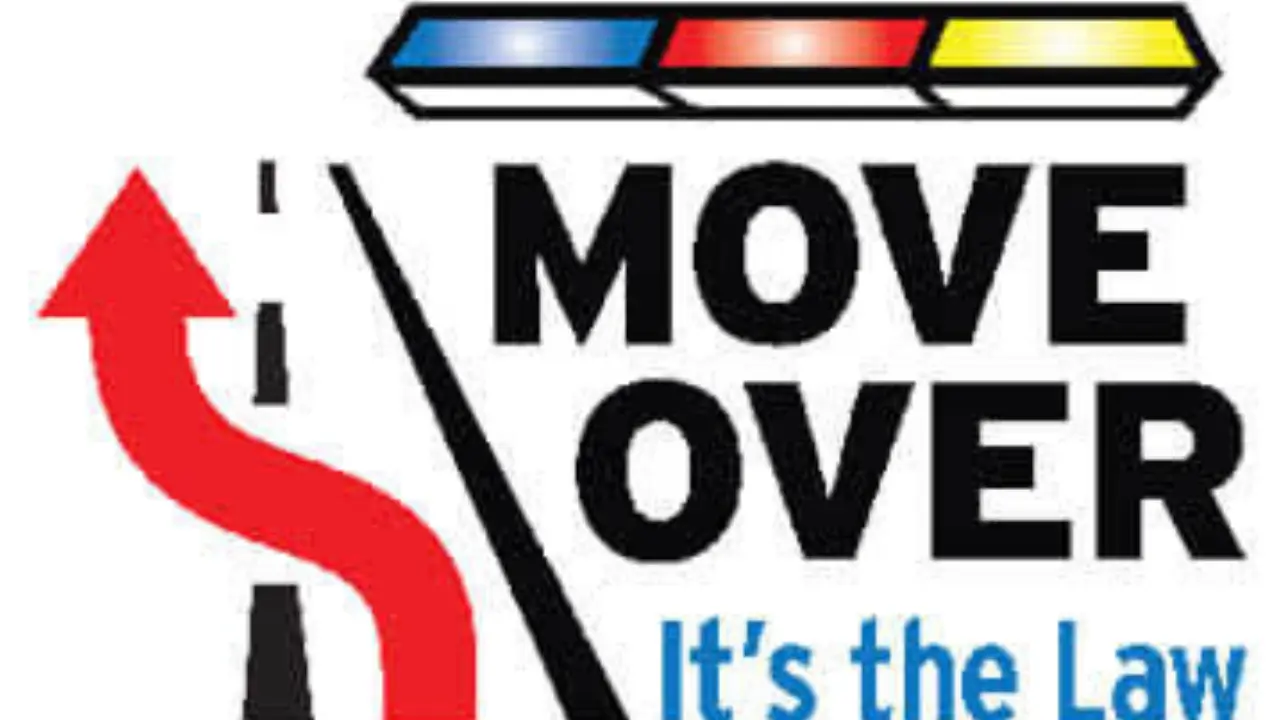
The move over law ga requires drivers to protect people working beside Georgia roads. When a covered vehicle stops with flashing lights, motorists must create a safe buffer whenever traffic conditions allow. This action gives police officers, firefighters, paramedics, tow operators, road crews, utility workers, and sanitation teams more protection from moving traffic.
Moving over is not only polite driving behavior. It is a legal responsibility linked to specific roadside vehicles, warning lights, and traffic conditions. When changing lanes is unsafe or impossible, a driver must reduce speed below the posted limit and prepare to stop.
What Is the Move Over Law in Georgia?
The move over law ga is mainly covered by Georgia Code Section 40-6-16. This section is also known as the Spencer Pass Law. It explains how drivers must pass certain stationary vehicles that display approved flashing or revolving warning lights. Georgia also has a related law for vehicles with active sanitation workers.
The main goal of the law is to form an open safety lane between roadside workers and passing traffic. A police officer standing beside a stopped car has little protection from a vehicle that moves toward the shoulder.
The same danger affects tow-truck operators, emergency medical workers, utility employees, and highway maintenance crews. Giving these workers extra space can prevent serious injuries and deadly roadside crashes.
Which Vehicles Does the Law Protect?
The law covers more than police cars. Drivers should watch for stationary emergency vehicles, towing or recovery trucks, highway maintenance vehicles, and utility service vehicles using qualifying warning lights.
The Suboxone Lawsuit: What You Need to Know About Legal Claims and Implications
Official Georgia guidance also mentions emergency, sanitation, and utility vehicles parked on or near the roadway.
| Protected vehicle or worker | Common roadside situation |
|---|---|
| Police or state patrol vehicle | Traffic stop or crash investigation |
| Ambulance or fire vehicle | Medical emergency or rescue operation |
| Tow or recovery truck | Loading or removing a damaged vehicle |
| Highway maintenance vehicle | Road repair, inspection, or debris removal |
| Utility service vehicle | Electric, water, gas, or communication work |
| Sanitation vehicle | Waste collection beside moving traffic |
Drivers should respond to the warning scene rather than waiting to identify the exact agency. Flashing yellow, amber, white, red, or blue lights may show that workers or motorists face danger near active lanes.
What Drivers Must Do When Approaching
The move over law ga follows a simple two-step process. First, a driver should approach the stopped vehicle carefully and move into a lane that is not directly beside it.
The driver should make this lane change only when traffic and safety conditions allow it. Before moving over, check the rearview mirror, side mirrors, and blind spot. Use the turn signal early and change lanes smoothly.
Blingle Lawsuit: Legal Battle Impacting Franchise Growth
Second, if changing lanes is not safe or possible, the driver must slow below the posted speed limit. The driver must also remain prepared to stop. Heavy traffic does not remove the responsibility to act safely. It changes the required action from moving over to slowing down.
Drivers should never force their way into another lane. Cutting off a nearby vehicle may create another collision. The safest approach is to notice flashing lights early, release the accelerator, increase following distance, and search for a safe opening.
How the Law Works on Multi-Lane Roads
On an interstate or divided highway with several lanes moving in the same direction, the driver in the lane nearest the stopped vehicle should move one full lane away when possible.
Drivers already traveling in the next lane should stay alert because other motorists may need to merge. They can help by maintaining a steady speed or creating a safe opening.
The move over law ga does not require drivers to make sudden or dangerous lane changes. It requires drivers to respond carefully according to current traffic conditions.
Early observation makes the process safer. When drivers notice flashing lights in the distance, they should plan their lane position before reaching the roadside scene.
Drivers should avoid sudden braking unless an immediate danger requires it. Smooth speed reduction gives following vehicles more time to react.
What to Do on a Two-Lane Road
A two-lane road may not have another lane traveling in the same direction. In that situation, drivers normally cannot enter the opposing lane simply to create extra space.
Instead, reduce speed below the posted limit, maintain full control of the vehicle, and prepare to stop. Keep as much safe distance from the roadside vehicle as the lane allows.
Drivers should also look for traffic cones, temporary signs, flaggers, and hand signals. Directions from a police officer or authorized traffic controller take priority at an active scene.
Never enter the opposite lane when traffic is approaching. A move intended to protect a roadside worker should not create the risk of a head-on crash.
Penalties for Breaking the Law
A violation involving certain stationary emergency, towing, recovery, or highway maintenance vehicles may result in a fine of up to $500.
A violation involving the stationary utility service vehicle provision may carry a fine of up to $250. Georgia’s Department of Driver Services also lists covered move-over violations as three-point driving offenses.
| Possible consequence | General information |
|---|---|
| Emergency or maintenance violation | Fine of up to $500 |
| Utility vehicle violation | Fine of up to $250 |
| Driver’s license points | Three points |
| Additional effects | Court costs and possible insurance impact |
The exact penalty may depend on the code section written on the ticket, the court, the driver’s history, and the facts of the incident.
Drivers who receive a citation should read it carefully. A qualified Georgia traffic attorney can explain available options based on the individual case. This article provides general information and does not replace professional legal advice.
Common Mistakes Drivers Make
One common mistake is slowing down slightly while remaining close to the roadside vehicle. When a safe lane change is available, drivers should move into the next lane.
When moving over is impossible, the driver must slow below the posted speed limit and remain ready to stop. Simply maintaining the speed limit may not satisfy the rule.
Another mistake is assuming the law protects only police officers. The move over law ga also covers several other qualifying vehicles and roadside work situations.
Tow trucks, maintenance crews, utility vehicles, and active sanitation operations can create the same serious roadside danger.
Distracted driving also increases the risk of a violation. A motorist looking at a phone may not notice flashing lights until there is no safe time to react.
Drivers should keep their attention on the road and scan far ahead. Early awareness provides more time to merge, slow down, or stop.
Rules for Active Sanitation Workers
Georgia Code Section 40-6-16.1 addresses vehicles with active sanitation workers. When a sanitation vehicle displays flashing or revolving yellow, amber, or white lights, approaching drivers must use due caution.
Drivers should move into a lane that is not next to the sanitation vehicle when it is safely possible. If they cannot change lanes, they must slow below the posted limit and prepare to stop.
Sanitation workers may walk between the truck and curb, move containers, or step near an active traffic lane. Drivers should expect repeated stops and workers entering areas that may be difficult to see.
Extra following distance gives motorists a clearer view. It also reduces the need for sudden braking when the sanitation truck stops.
Why Moving Over Matters
Roadside workers often stand only a few feet from vehicles traveling at highway speeds. A small steering error or moment of distraction can cause a life-changing crash.
Georgia DDS explains that the law aims to reduce injuries and deaths by maintaining a buffer lane around authorized roadside vehicles and workers.
The move over law ga also protects ordinary drivers and passengers. A safe buffer may reduce secondary crashes near an earlier accident, disabled vehicle, or emergency response scene.
Reducing speed gives motorists more time to notice debris, stopped traffic, workers, open vehicle doors, and people walking near the road.
Safe Steps to Follow Every Time
As soon as flashing lights appear ahead, release the accelerator and check surrounding traffic. Do not wait until the stopped vehicle is directly beside you.
Signal before changing lanes and avoid moving into another driver’s blind spot. Maintain a safe following distance and leave enough room for other vehicles to merge.
If traffic blocks the lane change, slow below the posted speed limit. Keep both hands ready, watch for workers, and prepare for a complete stop.
Follow all directions from officers, flaggers, signs, cones, or temporary traffic controls. These instructions may require drivers to stop or follow a route that differs from the normal traffic pattern.
After passing the scene, return to normal speed only when the danger area is completely behind you. Avoid staring at the incident because this can lead to sudden braking or lane drifting.
Frequently Asked Questions
Do I have to move over for a tow truck in Georgia?
Yes. A qualifying stationary towing or recovery vehicle displaying the required warning lights receives protection. Move one lane away when it is safe. Otherwise, slow below the posted speed limit and prepare to stop.
What if traffic will not let me change lanes?
Do not force an unsafe merge. Slow below the posted limit, use caution, and remain prepared to stop while passing the roadside scene.
Does the law apply to utility vehicles?
Yes. Georgia law includes stationary utility service vehicles that meet the required conditions. The statute provides a separate maximum fine for violating this part of the law.
How many points can a violation add?
Georgia DDS lists move-over and related improper-passing violations as three-point offenses.
Final Thoughts
The move over law ga gives drivers a clear responsibility: create space when possible and slow down when a safe lane change is unavailable.
The rule protects police officers, emergency teams, tow operators, maintenance crews, utility employees, sanitation workers, stranded motorists, and everyone passing through the scene.
A few seconds of attention can prevent a serious crash. Scan the road ahead, respond early, move over smoothly, reduce speed, and always prepare to stop near flashing roadside lights.