Lemon Law MN Vehicle Rights and Claims Guide
Buying or leasing a vehicle should provide safe and reliable transport. Yet some vehicles develop serious defects that return after several repairs. Lemon law MN may help qualifying Minnesota consumers seek a refund or other relief when a manufacturer cannot correct a warranty-covered problem within a reasonable time.
Minnesota’s main vehicle lemon statute is section 325F.665. It explains covered consumers and vehicles, repair duties, legal presumptions, written notice, arbitration, refunds, leases, and filing deadlines.
What Is Minnesota’s Lemon Law?
The law requires a manufacturer, its agent, or an authorized dealer to repair a new motor vehicle that fails to meet the manufacturer’s written warranty. The consumer must report the problem during the warranty term or within two years after original delivery, whichever period ends first. Repairs may happen later, but timely reporting is essential.
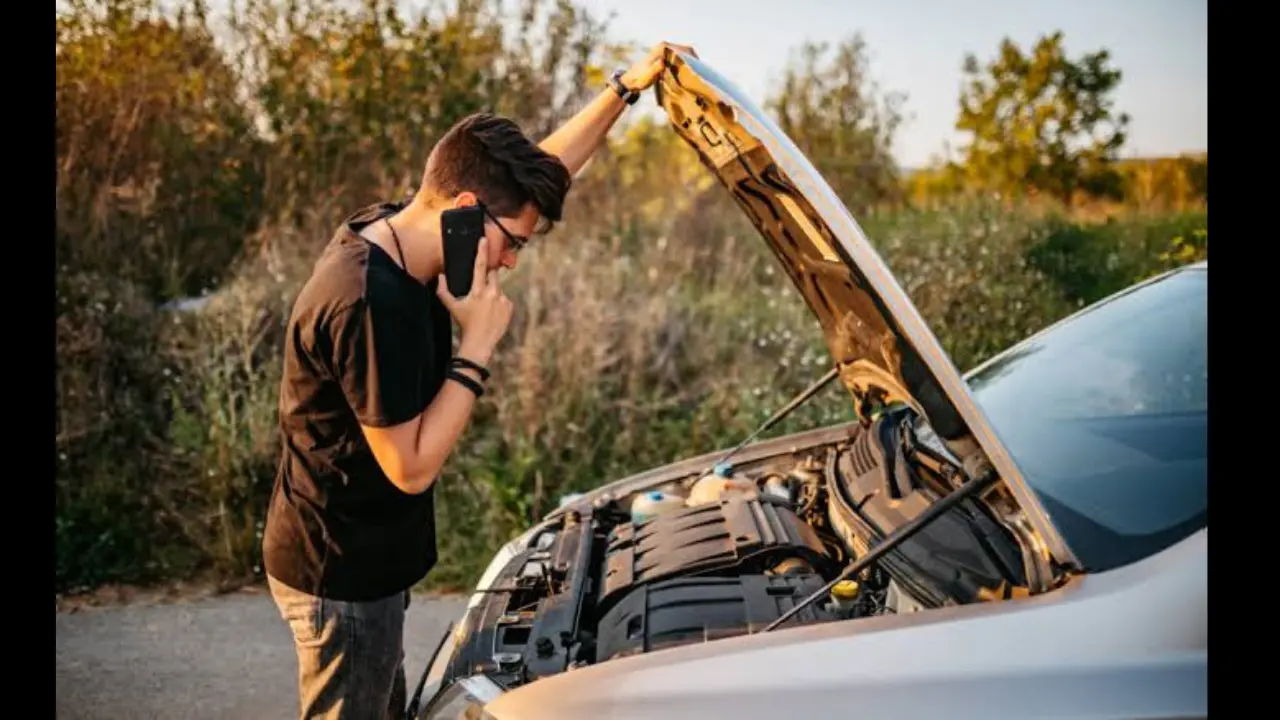
The purpose of lemon law MN is not to cover every noise, stain, or minor inconvenience. The defect normally must substantially impair the vehicle’s use or market value. Examples may include repeated engine stalling, transmission failure, severe electrical faults, overheating, or major safety problems.
Blingle Lawsuit: Legal Battle Impacting Franchise Growth
Vehicles and Consumers That May Qualify
The statute covers passenger automobiles, including pickup trucks and vans, sold or leased in Minnesota. It also covers the self-propelled chassis or van portion of certain recreational vehicles and ambulances.
A qualifying consumer generally uses the vehicle for personal, family, or household purposes at least 40 percent of the time.
A lightly used vehicle may qualify when it remains under the original manufacturer’s warranty and is transferred for qualifying personal use. This protection differs from Minnesota’s separate used-car warranty law, which may apply to some dealer-sold used vehicles.
| Vehicle situation | Possible result |
|---|---|
| New passenger car bought in Minnesota | Usually covered if all conditions are met |
| Leased pickup truck or van | May qualify |
| Used car still under the original warranty | May qualify |
| RV motorized chassis or van section | May qualify |
| RV living area and appliances | Usually outside this statute |
| Vehicle bought mainly for resale | Not covered as a consumer vehicle |
Required Repair Attempts
Minnesota law creates useful presumptions about what counts as a reasonable number of repair attempts. The same defect is presumed to have received enough repair opportunities when it has been repaired four or more times within the applicable warranty period or the first two years after delivery, whichever ends first, and it still exists.
The presumption also applies when the vehicle stays out of service for warranty repairs for a total of 30 or more business days during that period. These days may come from several separate repair visits.
A stronger safety rule covers complete braking or steering failure that is likely to cause death or serious injury. One unsuccessful repair attempt may be enough to create the legal presumption for that dangerous defect.
These thresholds strengthen a lemon law MN claim, but they are not the only issue. The defect must still be covered by warranty and substantially affect the vehicle’s use or value.
The Suboxone Lawsuit: What You Need to Know About Legal Claims and Implications
Why Written Notice Matters
Written notice is a critical requirement. The manufacturer, its agent, or its authorized dealer must receive written notice at least once and have an opportunity to repair the defect before the repair-attempt presumption applies against the manufacturer.
Send a dated letter directly to the manufacturer. Include the vehicle identification number, purchase or lease date, mileage, a clear description of the defect, repair dates, total days out of service, and the result of each repair visit.
The letter should request a final repair, refund, replacement, or other appropriate remedy. Keep a copy of the letter and proof of delivery. Written evidence can prevent arguments about when the company learned about the defect.
Records That Strengthen a Claim
Every repair visit should produce a complete repair order, even when the technician cannot reproduce the problem. Ask the dealer to record your exact complaint rather than using vague wording such as “vehicle checked.”
Important records include:
- The purchase or lease agreement
- The manufacturer’s warranty booklet
- Repair orders and invoices
- Towing and rental vehicle receipts
- Emails, letters, and delivery confirmations
- Videos or photographs showing the defect
- A timeline of mileage and repair downtime
These records help show whether lemon law MN applies, how often the defect appeared, and whether the manufacturer received a fair chance to fix it.
Check every repair order before leaving the dealership. Make sure it includes the correct date, mileage, complaint, diagnosis, work completed, and vehicle return date.
Refund and Replacement Rights
When a manufacturer cannot repair a qualifying substantial defect after a reasonable number of attempts, it must offer a comparable replacement or accept the vehicle’s return and provide a refund. The consumer may reject a replacement offer and require a refund instead.
A refund may include the full purchase price, qualifying options or modifications, sales or excise tax, registration fees, license fees, and certain towing or rental expenses caused by warranty repairs.
The manufacturer may deduct a reasonable allowance for the consumer’s use of the vehicle. However, the statute limits that deduction to ten cents per mile or ten percent of the purchase price, whichever is less.
The manufacturer must provide an itemized refund statement. When the vehicle has an unpaid loan, the manufacturer may divide the payment between the consumer and the recorded lienholder.
How Lemon Law MN Covers Leased Vehicles
People who lease qualifying vehicles receive many of the same protections as buyers. However, when a manufacturer must accept the return of a leased vehicle, the consumer receives a refund rather than a replacement vehicle.
The lease must end, and the consumer may recover the amounts actually paid under it. The refund may also include certain eligible charges, minus the lawful allowance for vehicle use.
Lease refunds can involve the consumer, manufacturer, lender, and vehicle lessor. Consumers should review every calculation carefully before accepting a settlement or signing documents.
Arbitration Before Filing a Lawsuit
Manufacturers operating in Minnesota must provide or participate in an informal dispute settlement process. In many cases, consumers must use the manufacturer’s arbitration system before filing a civil lawsuit for a statutory refund or replacement.
This requirement may not apply when the manufacturer allows the consumer to proceed directly with legal action.
Consumers may submit evidence, present arguments, appear at a hearing in Minnesota, and receive help from an attorney. The arbitration decision is generally nonbinding unless both sides agree otherwise.
Either party may seek district court review according to the procedures and deadlines in the statute.
For a strong arbitration presentation, arrange the evidence by date. Explain the defect, why it substantially affects the vehicle, every repair attempt, total downtime, written notice, and the remedy requested.
Important Filing Deadlines
Timing can decide a lemon law MN case. Consumers should report the defect during the manufacturer’s warranty or within two years after original delivery, whichever period ends first.
In some situations, qualifying repair attempts may continue within three years after delivery when the consumer first reported the defect during the warranty period.
A civil lawsuit under the statute generally must begin within three years of the vehicle’s original delivery. When a consumer enters the informal dispute process within that time and remains unhappy with the final decision, the law may allow a lawsuit within six months after that decision.
Consumers should not wait until the final weeks. Delays can cause missing records and disputes about notification or filing dates.
Common Reasons Claims Are Denied
A manufacturer may argue that the defect does not substantially reduce the vehicle’s use or market value. It may also claim that abuse, neglect, poor maintenance, or an unauthorized modification caused the problem. These are recognized defenses under the Minnesota statute.
A claim may also become weaker when the owner:
- Skips required maintenance
- Changes the engine or electrical system
- Loses important repair orders
- Continues driving after a dangerous warning
- Uses an unauthorized repair facility
- Fails to provide written notice
Dealer responsibility is usually a separate issue. Minnesota’s manufacturer lemon statute generally does not create additional dealer liability unless the dealer provided its own written warranty or another consumer law applies.
Steps to Take After Repeated Vehicle Problems
First, take the vehicle to an authorized dealership and describe the symptoms clearly. Check every repair order for accurate dates, mileage, complaint details, diagnosis, completed work, and days out of service.
Next, send written notice to the manufacturer and allow a reasonable repair opportunity. Count the number of repeated attempts and the total business days that the vehicle remained unavailable.
Request information about the manufacturer’s Minnesota arbitration program. Prepare a complete evidence file with your warranty, purchase documents, repair orders, receipts, photographs, correspondence, and timeline.
Consider speaking with a Minnesota consumer-law attorney when the defect threatens safety, a filing deadline is close, arbitration fails, or the manufacturer offers an incorrect refund.
A consumer who successfully brings a civil action may recover reasonable attorney’s fees and litigation costs under the statute.
Final Thoughts
A defective vehicle can cause safety risks, financial losses, missed work, and daily stress. Lemon law MN offers important protection when a warranty-covered defect seriously affects a qualifying vehicle and continues after reasonable repair opportunities.
The strongest case usually includes timely reporting, clear written notice, detailed repair records, proof of downtime, and careful compliance with arbitration and court deadlines. This article provides general information and should not replace legal advice about a specific vehicle or dispute.