Alabama Tint Law Legal Limits, Exemptions, and Penalties
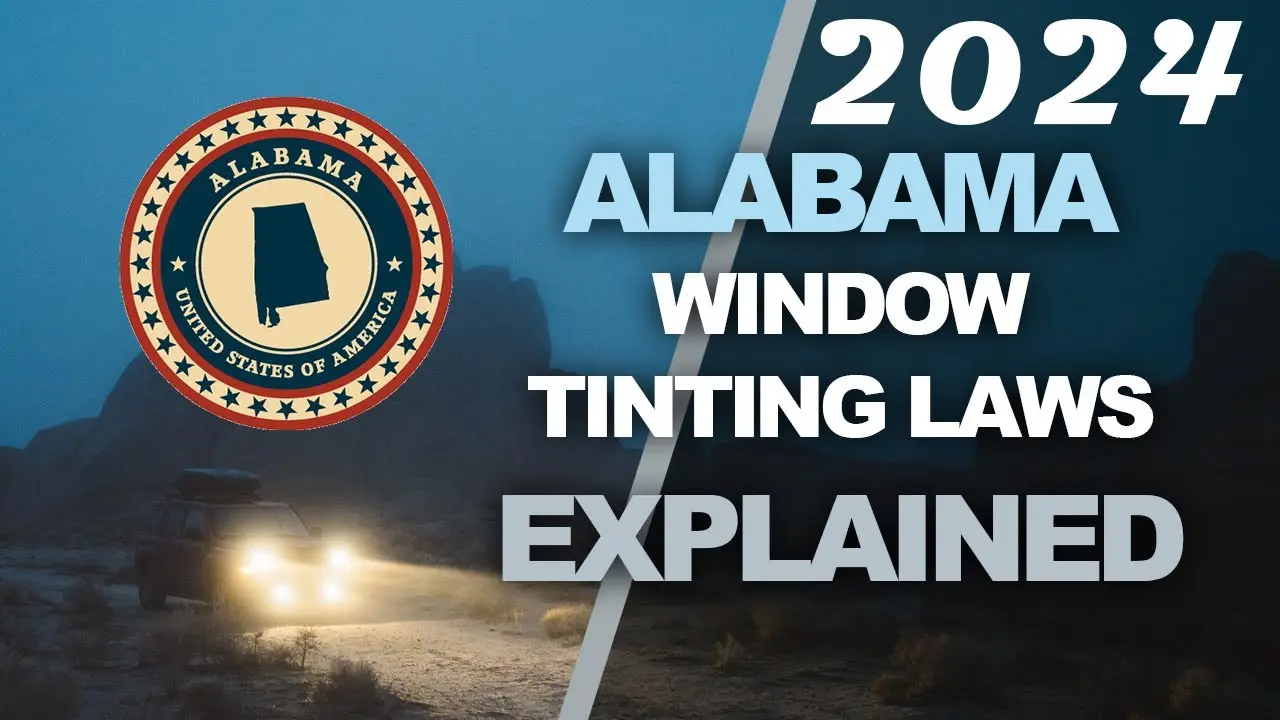
Window tint can reduce glare, improve comfort, protect a vehicle’s interior, and create a stylish appearance. However, drivers must choose film that follows state rules. The alabama tint law controls tint darkness, light reflection, windshield coverage, medical waivers, and compliance labels.
The Alabama Law Enforcement Agency, commonly called ALEA, publishes official tinting standards for passenger cars, station wagons, multipurpose vehicles, and recreational vehicles. These requirements apply to vehicles registered in Alabama.
Drivers should check the final light transmission of the glass and film together. They should not rely only on the percentage printed on the film package.
What Does the Alabama Tint Law Require?
The alabama tint law uses visible light transmission, or VLT, to measure the darkness of a tinted window. VLT represents the percentage of visible light that can pass through the glass and applied film.
A higher VLT percentage means the window allows more light through and appears lighter. A lower percentage allows less light through and creates a darker appearance.
For passenger cars and station wagons, Alabama requires side and rear windows to allow at least 32% visible light transmission. The state provides a measurement tolerance of 3%. Reflective material cannot reflect more than 20% of light.
The tolerance should not encourage drivers to install darker film. It mainly allows for small differences in meters, glass, and installation results.
The Suboxone Lawsuit: What You Need to Know About Legal Claims and Implications
| Vehicle area | Passenger car or station wagon | Multipurpose or recreational vehicle |
|---|---|---|
| Front windshield | Transparent tint on the upper six inches | Same requirement |
| Front side windows | At least 32% VLT | At least 32% VLT |
| Rear side windows | At least 32% VLT | Darker glass may be allowed behind the driver |
| Rear windshield | At least 32% VLT | Darker glass may be allowed |
| Measurement tolerance | 3% | 3% on regulated front windows |
| Maximum reflection | 20% | Front windows follow the same basic rule |
| Mirror requirement | Normal equipment rules | Two outside mirrors with darker rear glass |
ALEA states that the vehicle manufacturer determines whether a vehicle belongs to the multipurpose or recreational category. A driver should not classify a crossover, van, or sport utility vehicle based only on its shape.
Legal Tint for Passenger Cars and Sedans
Under the alabama tint law, passenger cars and station wagons must maintain at least 32% VLT on their side and rear windows. This requirement covers front door windows, rear door windows, quarter windows, and the rear windshield.
Many drivers mistakenly believe that buying a film marked “32%” will automatically produce a legal result. However, factory glass already blocks some visible light.
When an installer places new film over factory glass, the combined result may fall below 32%. For example, a film with a 32% rating can produce a darker final reading after installation.
A professional installer should test the completed window with an accurate tint meter. Drivers should request the final VLT reading before leaving the shop.
Keeping the installation receipt can also help. It may show the film manufacturer, product type, shade, warranty, and installer information.
Blingle Lawsuit: Legal Battle Impacting Franchise Growth
Rules for SUVs, Vans, and Recreational Vehicles
The Alabama tint law treats certain multipurpose passenger and recreational vehicles differently from standard cars. The front windshield and front seat windows remain subject to the same restrictions used for passenger cars.
However, windows located behind the driver may contain darker glazing when allowed by the vehicle manufacturer and applicable federal standards.
A vehicle with darker rear windows must have an outside rearview mirror on both sides. These mirrors help drivers see traffic when dark rear glass limits their view through the vehicle.
This exception does not give every SUV owner unrestricted permission to install any tint shade. The vehicle’s official classification and original glazing design remain important.
Owners should check the manufacturer’s classification or ask an experienced dealer before selecting extremely dark rear film.
Windshield Tint Rules in Alabama
The alabama tint law permits tint only on the upper six inches of the front windshield. ALEA also states that the material applied in this area must be transparent.
A legal sun strip should remain completely inside the six-inch limit. Drivers should measure from the top edge of the windshield rather than using the rearview mirror as a guide.
Tint that extends below the permitted area may violate the rule, even when the film appears fairly light. Full-windshield tint can also reduce visibility during rain, nighttime driving, fog, or poor road lighting.
Some companies sell nearly clear ceramic films that reduce ultraviolet rays and heat. However, drivers should not assume that a clear product can legally cover the entire windshield.
The film may still reduce light transmission. Drivers should confirm both the product and its placement before installation.
Reflective and Mirror-Like Window Tint
Alabama limits window-tint reflectance because highly reflective surfaces can create glare for other motorists. Regulated reflective material cannot reflect more than 20% of visible light.
A mirror-like appearance may indicate excessive reflectance, but appearance alone cannot confirm whether a film complies with the rule. Lighting conditions, window angles, vehicle colors, and glass types can affect how reflective tint looks.
A film can appear light but reflect too much light. Another film may appear dark while maintaining a lower reflectance level.
Drivers should ask for product specifications and professional meter testing. They should avoid installers who judge legality only by looking at the vehicle.
Compliance Stickers and Approved Installation
Vehicles with qualifying aftermarket tint must display a compliance sticker or label that remains visible from outside the vehicle. ALEA explains that a tinting dealer must attach the label.
The label shows that the installed material meets Alabama’s light-transmission and reflectance requirements. State law also prohibits installers from applying material that does not comply with the legal standards.
Before leaving the installation shop, drivers should check that the compliance label is present and readable. They should also ask whether the installer measured every regulated window after completing the work.
A cheap installation may become expensive when the driver must remove illegal film, pay a citation, and purchase replacement tint.
Medical Exemptions for Window Tint
A person with a qualifying medical condition may request an exemption under the alabama tint law. A physician must certify the medical need, while ALEA may issue the exemption with specific conditions and limitations.
An approved medical waiver does not necessarily provide unlimited permission to cover every window with extremely dark film. Drivers must follow the exact restrictions written in their approval documents.
Alabama law includes a specific provision for people diagnosed with light-sensitive porphyria. For an approved patient, the exemption may cover windshield and window areas identified by the physician. ALEA may also issue a numbered decal for placement on the windshield.
Drivers should complete the official exemption process before installing tint that would otherwise violate normal standards. Simply carrying an informal doctor’s note may not replace an approved waiver or decal.
ALEA directs medical-waiver questions to its Driver License Division Medical Records Unit. Applicants may need medical certification and other supporting information.
Penalties for Illegal Window Tint
A violation of Alabama’s window-tint chapter is classified as a misdemeanor. A first conviction may result in a fine of up to $100, imprisonment for up to 10 days, or both.
A second conviction for an offense committed within one year after the first may result in a fine of up to $200, imprisonment for up to 30 days, or both.
A third or later qualifying conviction within the stated period may bring a fine of up to $500, imprisonment for up to three months, or both.
The outcome depends on the case, court, and surrounding circumstances. A driver may also face court costs and the expense of removing or replacing noncompliant film.
Checking the tint before installation is normally easier and cheaper than correcting illegal work later.
How Officers Check Window Tint
Law enforcement officers can use a light-transmission meter to check how much visible light passes through a tinted window. The reading reflects the combined performance of the original glass and added film.
This detail explains why the film’s package rating may differ from the reading taken from the completed window.
Drivers should remain calm during a traffic stop and follow lawful instructions. They should keep the required compliance sticker visible and carry official medical-exemption documents when applicable.
Drivers who receive a citation should review the instructions printed on the ticket. They may contact the listed court or speak with a licensed Alabama attorney about their legal options.
Tips for Choosing Legal Window Tint
First, identify the official classification of the vehicle. A sedan and a multipurpose vehicle can have different rules for windows located behind the driver.
Next, ask the installer to measure the factory glass before recommending a film. This step can help the shop select a product that produces a compliant final reading.
Choose a reputable tint shop that provides a receipt, warranty, film information, final meter reading, and compliance sticker. Avoid businesses that promise a shade is legal without testing it.
Drivers should also test tint on used vehicles. A vehicle purchased in another state may have film that does not meet Alabama requirements.
Removing old, damaged, bubbling, or overly dark film before registration can prevent future problems. ALEA states that vehicles registered in Alabama must follow the state’s window-tinting requirements.
Final Thoughts
The alabama tint law balances driver comfort with road visibility and public safety. Passenger cars generally need at least 32% VLT on side and rear windows, with a 3% tolerance. Reflective tint cannot exceed the 20% limit.
Multipurpose and recreational vehicles may use darker rear glazing when their classification, manufacturer standards, and mirror equipment meet the requirements. Windshield tint generally remains limited to a transparent strip across the upper six inches.
Before paying for installation, drivers should confirm the vehicle type, final VLT, film reflectance, windshield-strip size, mirror requirements, and compliance label. People with medical needs should obtain an official exemption before using nonstandard tint.