Drake Lawsuit Full Story, UMG Dispute, Court Ruling
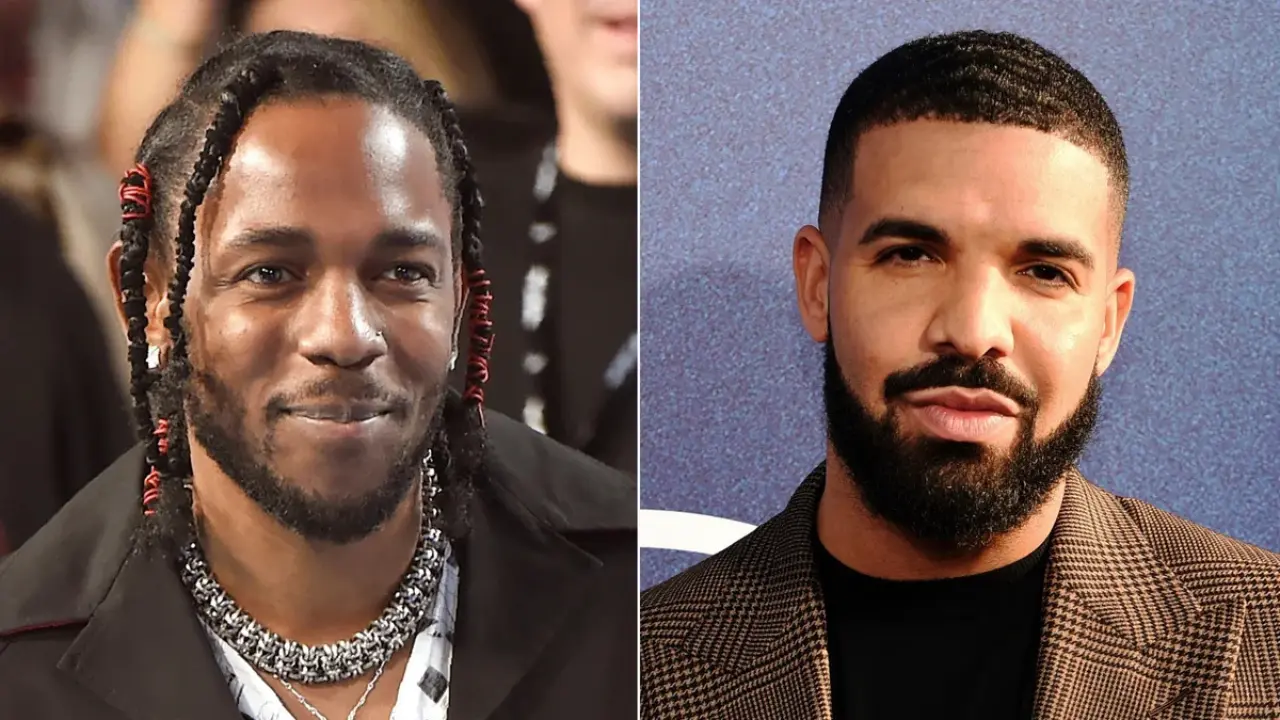
The drake lawsuit became one of the biggest legal stories in modern music after the Canadian rapper took action against Universal Music Group. The dispute grew from the highly publicized 2024 rap battle between Drake and Kendrick Lamar, especially Lamar’s hit diss track “Not Like Us.”
Drake, whose full name is Aubrey Drake Graham, argued that UMG helped publish and promote damaging claims about him. However, Universal Music Group denied wrongdoing and argued that the lyrics appeared within a heated rap battle rather than as factual reporting. A federal judge later dismissed Drake’s case, but his legal team appealed that decision.
What Is the Drake Lawsuit About?
The drake lawsuit mainly concerns Universal Music Group’s role in releasing and promoting Kendrick Lamar’s “Not Like Us.” Drake filed his federal defamation case in the Southern District of New York on January 15, 2025.
The song was released during a fierce musical rivalry between Drake and Lamar. It contained serious accusations about Drake, which he strongly denied.
Drake did not name Kendrick Lamar as the defendant in his federal case. Instead, he targeted UMG, arguing that the company knowingly distributed and promoted material that damaged his reputation.
UMG rejected those claims and maintained that rap diss tracks often contain exaggeration, insults, opinions, and provocative language.
Blingle Lawsuit: Legal Battle Impacting Franchise Growth
How the Drake and Kendrick Lamar Feud Led to Court
The legal battle cannot be understood without looking at the Drake-Kendrick Lamar feud.
During 2024, both rappers released songs attacking each other. Drake released tracks including “Family Matters,” while Lamar responded with songs such as “Meet the Grahams” and “Not Like Us.”
The exchanges included allegations about personal relationships, family matters, character, and behavior. Eventually, “Not Like Us” became one of the most commercially successful tracks connected to the feud.
The dispute then moved beyond music.
In November 2024, Drake’s company Frozen Moments filed a pre-action petition involving UMG and Spotify. It alleged that improper methods had been used to increase the reach of “Not Like Us.” Drake later withdrew the New York petition before filing his federal defamation case.
The Suboxone Lawsuit: What You Need to Know About Legal Claims and Implications
Why Drake Sued Universal Music Group
A key feature of the drake lawsuit is that Drake sued UMG rather than Kendrick Lamar.
Drake argued that UMG had an important role in distributing and promoting the song. His complaint alleged that the company put commercial interests ahead of his reputation and personal safety.
According to the complaint reported by Reuters, Drake said the song’s promotion contributed to threats, attempted break-ins and increased security concerns around his family. These were Drake’s allegations rather than findings that the court independently proved.
UMG denied acting against Drake and disputed allegations concerning unethical promotional practices.
The company also argued that listeners would understand “Not Like Us” as part of a competitive rap battle rather than as a reliable statement of proven facts.
Drake Lawsuit and the Defamation Claim
Defamation law generally focuses on false statements presented as facts that harm another person’s reputation. Public figures also face a demanding legal standard when bringing certain defamation claims.
That issue became central to the case.
Drake argued that the accusations in the song went far beyond normal musical insults. His legal position treated the disputed language as serious claims that ordinary listeners could interpret as factual allegations.
UMG presented a different interpretation.
Its lawyers argued that the statements existed inside an openly hostile rap battle where both artists used provocative language. UMG therefore maintained that the lyrics represented opinion, rhetorical exaggeration or artistic expression rather than actionable factual statements.
Earlier Claims About Streaming and Promotion
Before the main federal case, Drake also pursued legal actions relating to how “Not Like Us” was promoted.
A November 2024 petition alleged that UMG and Spotify participated in improper promotional activity that artificially increased the song’s popularity. Those allegations included claims involving streaming bots and promotional arrangements.
Spotify denied having an improper arrangement with UMG.
Drake eventually withdrew his New York pre-action petition in January 2025. The federal lawsuit filed one day later focused heavily on defamation and UMG’s promotion of the song.
This distinction matters because a legal petition seeking information is not necessarily the same thing as a completed lawsuit proving wrongdoing.
What Happened With iHeartMedia?
Another part of the wider dispute involved iHeartMedia.
Drake had filed a legal petition in Texas alleging that iHeartMedia received improper payments connected with radio promotion of “Not Like Us.” The company and Drake later reached what his attorneys described as an amicable resolution.
The terms were not publicly disclosed.
The Associated Press reported in February 2025 that the dispute had been settled to the parties’ satisfaction. The settlement did not prove the wider allegations Drake had made against UMG.
Why the Drake Lawsuit Was Dismissed
The biggest development in the drake lawsuit came on October 9, 2025.
U.S. District Judge Jeannette Vargas dismissed Drake’s case against Universal Music Group. The court concluded that the disputed statements were not actionable defamation because they amounted to opinion or rhetorical hyperbole within the context of a rap battle.
Context played a major role in the ruling.
The court considered the competitive environment surrounding the songs and the escalating insults exchanged by both performers. From that perspective, listeners were less likely to interpret every lyric as a literal statement of verified fact.
The dismissal represented a major victory for UMG, but it did not end the legal story.
Did Drake Appeal the Decision?
Yes. The drake lawsuit entered the appeals process after the October 2025 dismissal.
Drake’s lawyers formally moved to challenge the ruling. In January 2026, his legal team filed an appellate brief seeking to revive the case.
Drake’s side argued that the lower court had interpreted the law too broadly. His attorneys warned that treating serious accusations inside diss tracks as automatically protected could create problems for future defamation cases.
UMG continued defending the dismissal.
In March 2026, the company filed a response brief arguing that Drake was attempting to separate individual words from the wider context of the rap battle. UMG maintained that the lower court correctly concluded that the statements were not actionable defamation.
As of August 2026, the appellate dispute remains an important part of the case’s continuing legal history.
| Date | Major Development |
|---|---|
| May 2024 | Kendrick Lamar releases “Not Like Us” |
| November 2024 | Drake begins pre-action legal proceedings involving UMG and Spotify |
| January 14, 2025 | Drake withdraws the New York petition |
| January 15, 2025 | Drake files federal defamation case against UMG |
| February 2025 | Drake and iHeartMedia resolve their separate Texas dispute |
| March 2025 | UMG moves to dismiss Drake’s federal case |
| October 9, 2025 | Federal judge dismisses the case |
| October 29, 2025 | Drake files notice of appeal |
| January 2026 | Drake submits his main appellate arguments |
| March 2026 | UMG files its response in the appeal |
The timeline shows how the dispute developed from a rap battle into a debate involving defamation, artistic speech, music promotion, reputation, and corporate responsibility.
Why This Case Matters to the Music Industry
The drake lawsuit is important beyond the personal rivalry between two famous rappers.
Diss tracks have existed in hip-hop for decades. Artists regularly use exaggeration, accusations and aggressive language while competing with rivals.
The Drake case raises a difficult question: when does artistic exaggeration become a statement that can create legal liability?
Artists and record companies also have an interest in protecting creative freedom. At the same time, individuals have legal rights when genuinely false factual statements seriously damage their reputation.
The balance between those interests could influence future disputes involving music, podcasts, videos and other entertainment content.
Yale Law School noted in May 2026 that an amici brief filed in Drake’s appeal supported affirming the dismissal and attracted wider attention because of its potential importance for media and First Amendment law.
Drake Lawsuit vs. Kendrick Lamar
One common misunderstanding is that the drake lawsuit was simply Drake suing Kendrick Lamar.
That is not accurate.
The main federal defendant was UMG Recordings, Inc., not Lamar. Drake challenged UMG’s decision to distribute and promote the track containing the disputed allegations.
This legal distinction matters because the court was considering whether UMG could face liability for its role in publishing and promoting the music.
Lamar’s lyrics formed the heart of the disagreement, but he was not named as the defendant in Drake’s January 2025 federal complaint.
Could the Appeal Change the Outcome?
An appeal does not automatically mean the original ruling will change.
An appellate court reviews whether the lower court correctly applied the law. Drake’s attorneys want the dismissal reversed so that his claims can move forward.
UMG wants the appeals court to uphold Judge Vargas’s decision.
If Drake succeeds, the lawsuit could potentially return for additional proceedings. If UMG wins the appeal, the dismissal would remain in place unless further review were successfully pursued.
The final appellate outcome may also provide useful guidance about how courts should interpret extreme statements made during public artistic rivalries.
Public Reaction and Cultural Impact
The dispute has generated strong reactions because Drake and Kendrick Lamar are two of the biggest names in modern hip-hop.
Some observers view the litigation as an unusual extension of rap-battle culture into the courtroom. Others see legitimate legal questions about whether record companies can promote highly damaging accusations without facing responsibility.
The case also shows how quickly entertainment disputes can grow in the streaming era.
A song can spread across music services, radio, video platforms and social media within hours. When controversial claims reach millions of listeners, arguments about artistic freedom and reputational harm can become much more complex.
Final Thoughts
The drake lawsuit developed from one of hip-hop’s most famous rivalries into a significant legal debate about defamation, artistic expression and music-industry responsibility. Drake accused Universal Music Group of helping spread harmful allegations through its promotion of Kendrick Lamar’s “Not Like Us,” while UMG denied wrongdoing and argued that the song belonged to the tradition of exaggerated rap-battle speech.
A federal judge dismissed the case on October 9, 2025, after determining that the challenged statements were nonactionable opinion in their wider context. Drake appealed, and the appeal continued into 2026.