
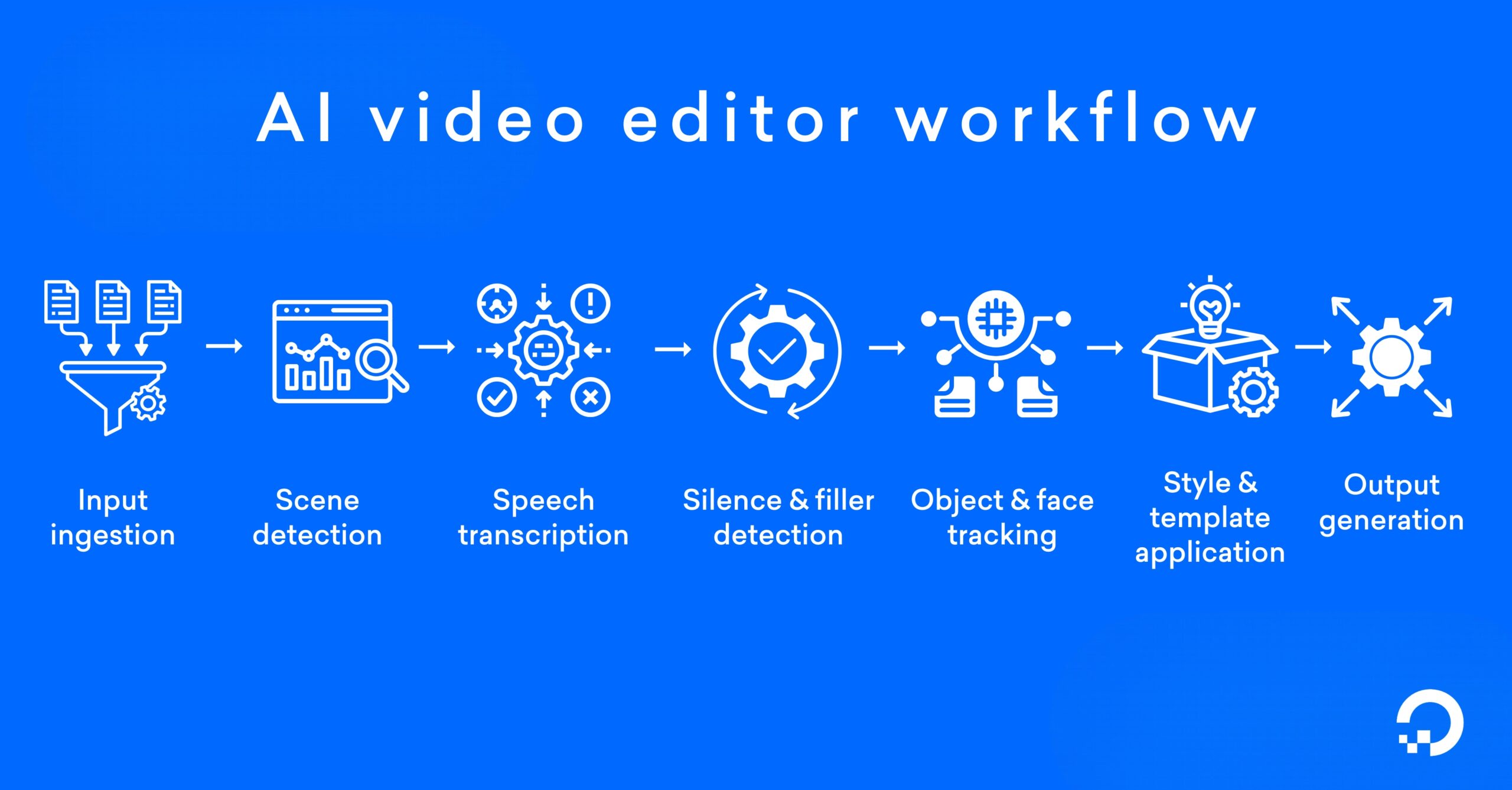
Data-Driven Insights from AI Video Editors
Video marketing has become a cornerstone of digital strategies. With platforms like YouTube, TikTok, and Instagram dominating user attention, brands must create videos that engage, inform, and convert. But producing content is only half the journey—the real power lies in understanding how those videos perform. This is where data-driven insights from AI video editors are changing the game.
By combining artificial intelligence with analytics, AI video editors help businesses go beyond simple editing. They provide performance insights that guide marketing teams toward smarter decisions, improved engagement, and higher ROI. Let’s dive deeper into how AI-powered insights are shaping the future of video marketing.
Understanding Data-Driven Insights
Traditionally, video editors focused on technical aspects like trimming, transitions, and effects. Marketers relied on separate analytics tools to track performance. With AI video editors, these processes merge. The same platform that edits content can also measure audience interaction, engagement rates, and conversion patterns.
Data-driven insights mean marketers don’t have to guess what works—they can see it in real time. This allows businesses to adapt strategies quickly, creating videos that truly resonate with viewers.
1. Measuring Audience Engagement
One of the most valuable insights from AI video editors is engagement tracking. These tools can analyze how long viewers watch, when they drop off, and which parts of the video grab the most attention.
For example, if viewers consistently exit after 15 seconds, the editor highlights that weak point. Marketers can then adjust intros, add hooks, or shorten content for better retention. Data like this ensures every second of a video contributes to audience interest.
2. Optimizing Content for Conversions
A key benefit of AI-driven analytics is identifying what leads to conversions. Whether it’s clicking a link, signing up for a newsletter, or making a purchase, AI video editors track the exact moment conversions happen.
By linking video elements to customer actions, marketers can test different CTAs, visuals, or storytelling styles. Over time, they learn which patterns drive the most sales. This transforms video from a branding tool into a measurable sales asset.
3. Personalizing Marketing Strategies
Data-driven insights from AI video editors also fuel personalization. By analyzing viewer behavior, AI can suggest tailored edits or recommend styles for specific audiences.
For instance, a sports brand may discover its younger audience responds better to short, fast-paced clips. Meanwhile, professionals may prefer detailed, educational videos. Instead of one-size-fits-all marketing, brands can segment audiences and create content that matches their preferences.
4. Predicting Future Trends
AI doesn’t just analyze past performance—it also predicts future outcomes. With machine learning, video editors can forecast how new content will perform based on historical data.
If a brand has success with product tutorials, the AI might suggest producing more how-to videos. This proactive approach helps marketers stay ahead of trends, reduce risks, and maximize returns on their efforts.
5. Improving SEO and Visibility
Video SEO is critical for ranking on Google and YouTube. AI video editors analyze which keywords, captions, and descriptions perform best. They also provide insights into viewer demographics, helping marketers target the right audience.
For example, AI might show that videos with specific tags get more clicks or that adding subtitles increases watch time. These insights help optimize videos for both search engines and users, ensuring higher visibility.
6. Streamlining A/B Testing
Testing video variations used to be time-consuming. With AI editors, A/B testing becomes faster and smarter. Marketers can automatically generate different versions of a video—changing music, text, or length—and track which performs better.
The editor then delivers data-driven reports, showing which version gets more engagement or conversions. This helps businesses refine their strategies with evidence, not guesswork.
7. Real-Time Feedback for Agile Marketing
Another advantage of AI insights is real-time feedback. Instead of waiting weeks for analytics, marketers can see performance metrics instantly. If a campaign isn’t performing, they can make quick adjustments.
This agility is especially valuable on fast-moving platforms like TikTok, where trends change daily. With AI guidance, businesses can stay relevant and adapt faster than competitors.
Why Data-Driven Insights Matter
In the past, video marketing success relied heavily on intuition. Today, AI video editors bring clarity through measurable data. They eliminate guesswork, highlight what works, and reveal opportunities for growth.
The combination of editing tools and analytics in one platform creates a complete solution. Marketers not only save time but also gain the knowledge needed to scale campaigns effectively.
Final Thoughts
The rise of data-driven insights from AI video editors is transforming digital marketing. By measuring engagement, boosting conversions, personalizing strategies, predicting trends, and improving SEO, these tools give businesses a competitive edge.
For marketers, the message is clear: videos should not only look good but also perform well. AI ensures both happen seamlessly. Brands that embrace this technology will not just produce more videos—they will create smarter, data-backed content that drives measurable results.
If you want to stay ahead in today’s competitive digital world, integrating AI video editors into your strategy is no longer optional—it’s essential.