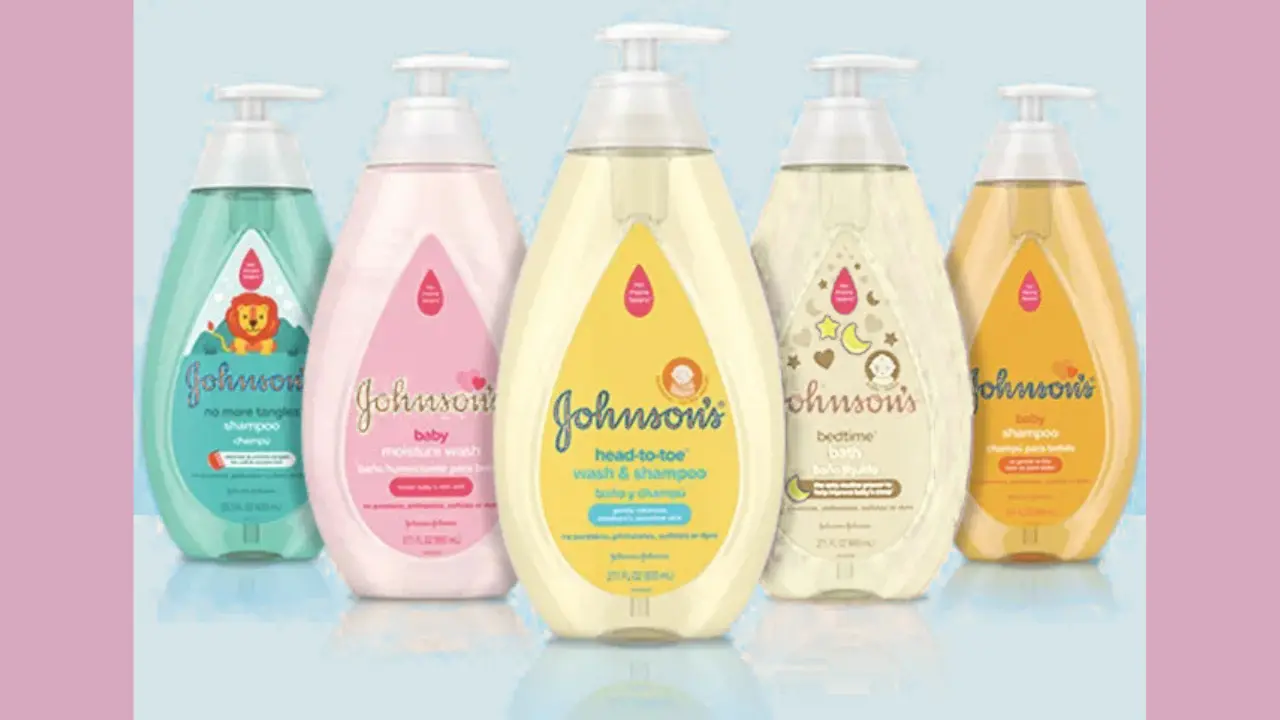
Johnson and Johnson Baby Shampoo Lawsuit Facts, Claims
The johnson and johnson baby shampoo lawsuit has gained significant public attention over the past several years. Many consumers have raised questions about the safety of baby care products, especially those marketed for infants and young children. While Johnson & Johnson has long been one of the world’s most recognized healthcare companies, legal claims related to some of its products have sparked widespread discussion.
What Is the Johnson and Johnson Baby Shampoo Lawsuit?
The johnson and johnson baby shampoo lawsuit refers to legal claims alleging that certain Johnson & Johnson baby shampoo products contained ingredients that could potentially pose health risks. The lawsuits primarily focused on concerns about formaldehyde-releasing preservatives and other chemicals that some plaintiffs claimed were unsafe for long-term use.
Many lawsuits argue that consumers were not fully informed about these ingredients or their potential effects. However, it is important to understand that lawsuits involve allegations, and not every claim has been proven in court.
The Suboxone Lawsuit: What You Need to Know About Legal Claims and Implications
Why Did the Lawsuit Begin?
The johnson and johnson baby shampoo lawsuit began after consumer advocacy groups and independent laboratory reports questioned the presence of trace amounts of formaldehyde and formaldehyde-releasing preservatives in certain baby care products.
The main concerns included:
- Presence of formaldehyde-releasing preservatives
- Potential long-term health risks
- Product labeling transparency
- Consumer protection concerns
These reports led to increased media attention and prompted legal actions from some consumers.
What Chemicals Were Discussed?
Several ingredients became the focus of the johnson and johnson baby shampoo lawsuit.
Quaternium-15
Quaternium-15 is a preservative that can slowly release formaldehyde over time. It has been used in various cosmetic and personal care products to prevent bacterial growth.
Some consumer groups argued that exposure to formaldehyde could increase health risks when products are used frequently.
Blingle Lawsuit: Legal Battle Impacting Franchise Growth
Formaldehyde
Formaldehyde is a naturally occurring chemical but is also used in manufacturing and preservation. High levels of exposure have been linked to health concerns. However, regulatory agencies often distinguish between naturally occurring trace amounts and dangerous exposure levels.
The lawsuit questioned whether consumers were adequately informed about these ingredients.
Johnson & Johnson’s Response
Throughout the johnson and johnson baby shampoo lawsuit, Johnson & Johnson consistently denied that its baby shampoo was unsafe.
The company stated that:
- Products met applicable safety regulations.
- Ingredients complied with government standards.
- Independent experts supported product safety.
- The products were safe when used as directed.
Johnson & Johnson also announced plans to reformulate some products by removing certain preservatives, even while maintaining that the original formulas were safe.
Changes Made to Baby Shampoo
As consumer concerns increased, Johnson & Johnson introduced updated formulas in several markets.
Some notable changes included:
| Previous Formula | Updated Formula |
|---|---|
| Included Quaternium-15 in some regions | Removed Quaternium-15 |
| Traditional preservatives | Alternative preservatives |
| Older ingredient formulations | Simplified ingredient lists |
These changes helped reassure many parents and aligned with growing consumer demand for simpler product ingredients.
Has the Lawsuit Been Settled?
The outcome of the johnson and johnson baby shampoo lawsuit varies depending on the specific legal case and jurisdiction.
Some lawsuits have been dismissed, while others have reached confidential settlements or continued through legal proceedings. In many situations, settlements do not necessarily mean that a company admits wrongdoing.
Consumers should understand that legal settlements often resolve disputes without determining liability.
Are Johnson & Johnson Baby Shampoos Safe Today?
Many parents continue to use Johnson & Johnson baby shampoo today.
Current products have undergone reformulation in many markets, and the company states that they meet modern safety standards.
Consumers who remain concerned can:
- Read ingredient labels carefully.
- Choose fragrance-free products.
- Consult pediatricians.
- Follow product usage instructions.
- Stay informed about product recalls and updates.
These simple steps can help parents make informed purchasing decisions.
Consumer Concerns About Baby Products
The johnson and johnson baby shampoo lawsuit also sparked broader conversations about ingredient transparency across the personal care industry.
Parents today often look for products that are:
- Sulfate-free
- Paraben-free
- Dye-free
- Hypoallergenic
- Dermatologist-tested
Manufacturers have increasingly responded by simplifying ingredient lists and improving product labeling.
Legal Impact on the Personal Care Industry
The johnson and johnson baby shampoo lawsuit has influenced more than just one company.
Many cosmetic manufacturers have:
- Reformulated products
- Improved ingredient disclosure
- Increased safety testing
- Enhanced quality control
- Expanded consumer education
These industry-wide changes reflect growing consumer demand for transparency and product safety.
How Consumers Can Make Safe Choices
When buying baby shampoo, parents should consider several important factors.
Read Ingredients
Understanding ingredient labels helps identify preservatives, fragrances, and other additives.
Check Product Certifications
Look for products tested by dermatologists or pediatricians whenever possible.
Follow Pediatric Advice
Children with sensitive skin or allergies may benefit from personalized recommendations from healthcare professionals.
Monitor Product Updates
Manufacturers occasionally update formulas based on scientific research and consumer preferences.
Frequently Asked Questions
What is the Johnson and Johnson baby shampoo lawsuit about?
The johnson and johnson baby shampoo lawsuit involves allegations that certain baby shampoo products contained preservatives capable of releasing formaldehyde and that consumers were not adequately informed.
Did Johnson & Johnson admit wrongdoing?
No. Johnson & Johnson has consistently maintained that its products were safe and complied with applicable regulations. Some legal matters have been settled without any admission of liability.
Is Johnson & Johnson baby shampoo still sold?
Yes. Johnson & Johnson baby shampoo remains available in many countries, although formulas have been updated in several markets.
Should parents stop using Johnson & Johnson baby shampoo?
Parents should make decisions based on current product information, ingredient lists, and advice from healthcare professionals. Many current formulations differ from earlier versions discussed in the lawsuits.
Did the lawsuit change the cosmetics industry?
Yes. The lawsuit encouraged greater ingredient transparency, product reformulation, and stronger consumer awareness throughout the personal care industry.
Conclusion
The johnson and johnson baby shampoo lawsuit brought significant attention to ingredient safety, consumer transparency, and product labeling. While lawsuits raised important concerns about preservatives and formaldehyde-releasing ingredients, Johnson & Johnson has consistently maintained that its products were safe and complied with regulatory standards.
Today, many baby care products—including newer Johnson & Johnson formulations—have been updated to address consumer preferences and evolving safety expectations. Parents can make informed decisions by reading ingredient labels, consulting healthcare providers when necessary, and staying informed about product developments. Understanding the facts surrounding the johnson and johnson baby shampoo lawsuit helps consumers evaluate claims objectively and choose products that best meet their family’s needs.